
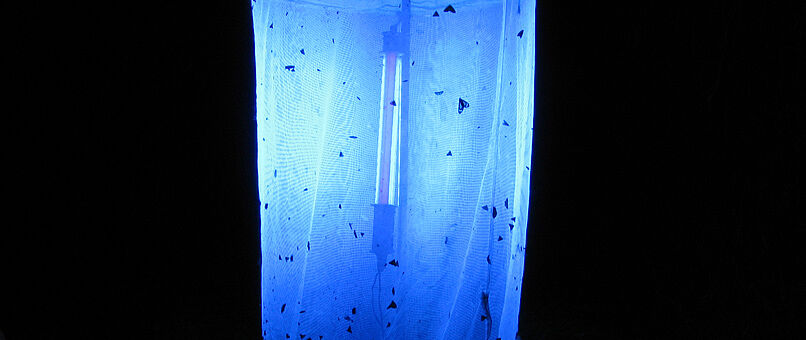

Research at our department is devoted to the analysis of patterns in biological diversity and to the ecological and evolutionary processes driving these patterns.

On the community level we are primarily interested in
(a) determinants of biodiversity along environmental gradients and
(b) consequences of anthropogenic habitats alteration on the composition of species assemblages.

The comparative approach is a backbone of our scientific interests. We contrast patterns and processes prevalent in species-rich animal assemblages of tropical forest ecosystems with those in far less diverse temperate-zone biomes. Thereby, we touch upon the dimensions of species, functional, and phylogenetic diversity. Much of our research in tropical ecology is centered around the field station La Gamba in Costa Rica.

On the population level we study requirements and dynamics of individual species, especially animals of conservation concern.

On the individual level, we address the significance of genetic variation and phenotypic plasticity for the evolutionary ecology of organisms (e.g. with regard to micro-evolution and speciation).

Using selected phytophagous insects as main examples, we study the evolution of animal diversity, from the population level (phylogeography) across species to higher systematic levels (phylogeny). These studies open new insights into radiation processes in relation to historical factors as well as in co-evolutionary interaction with host plants.

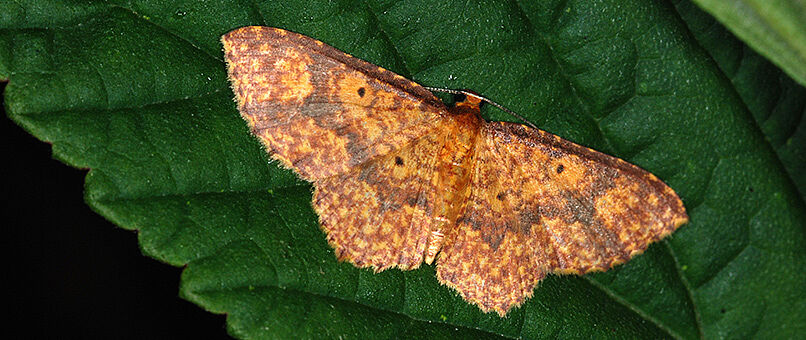
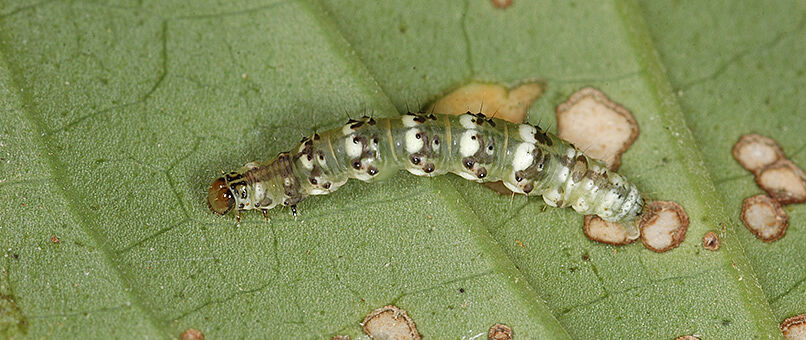
Focal organisms range from insects (butterflies, moths, ants, beetles, dragonflies, etc.) to vertebrates (especially birds).

Recent publications

Seifert CL, Lehner L, Bodner F, Fiedler K. Caterpillar assemblages on Chusquea bamboos in southern Ecuador: abundance, guild structure, and the influence of host plant quality. Ecological Entomology. 2016 Dec;41(6):698-706. doi: 10.1111/een.12345

Beck J, Liedtke HC, Widler S, Altermatt F, Loader S, Hagmann R et al. Patterns or mechanisms? Bergmann's and Rapoport's rule in moths along an elevational gradient. Community Ecology: an interdisciplinary journal reporting progress in community and population studies. 2016 Dec;17(2):137-148. doi: 10.1556/168.2016.17.2.2

Nepel M, Voglmayr H, Blatrix R, Longino JT, Fiedler K, Schönenberger J et al. Ant-cultivated Chaetothyriales in hollow stems of myrmecophytic Cecropia sp. trees – diversity and patterns. Fungal Ecology. 2016 Oct;23:131-140. doi: 10.1016/j.funeco.2016.07.007

Päckert M, Martens J, Sun YH, Strutzenberger P. The phylogenetic relationships of Przevalski's Finch Urocynchramus pylzowi, the most ancient Tibetan endemic passerine known to date. Ibis. 2016 Jul 1;158(3):530-540. doi: 10.1111/ibi.12382

Fies R, Rabl D, Schulze C, Fiedler K. Summer floods shape meadow butterfly communities in a floodplain nature reserve in Central Europe. Journal of Insect Conservation. 2016 Jun;20(3):433-445. Epub 2016. doi: 10.1007/s10841-016-9876-8

Uhl B, Wölfling M, Fiala B, Fiedler K. Micro-moth communities mirror environmental stress gradients within a Mediterranean nature reserve. Basic and Applied Ecology. 2016 May;17(3):273-281. Epub 2015 Dec 1. doi: 10.1016/j.baae.2015.10.002

Rodríguez-Castañeda G, Brehm G, Fiedler K, Dyer LA. Ant predation on herbivores through a multitrophic lens: how effects of ants on plant herbivore defense and natural enemies vary along temperature gradients. Current Opinion in Insect Science. 2016 Apr;14:73-80. doi: 10.1016/j.cois.2016.02.001

Adams MO, Fiedler K. Low Herbivory among Targeted Reforestation Sites in the Andean Highlands of Southern Ecuador. PLoS ONE. 2016 Mar;11(3):1-17. e0151277. doi: 10.1371/journal.pone.0151277