






Research at our department is devoted to the analysis of patterns in biological diversity and to the ecological and evolutionary processes driving these patterns.

On the community level we are primarily interested in
(a) determinants of biodiversity along environmental gradients and
(b) consequences of anthropogenic habitats alteration on the composition of species assemblages.

The comparative approach is a backbone of our scientific interests. We contrast patterns and processes prevalent in species-rich animal assemblages of tropical forest ecosystems with those in far less diverse temperate-zone biomes. Thereby, we touch upon the dimensions of species, functional, and phylogenetic diversity. Much of our research in tropical ecology is centered around the field station La Gamba in Costa Rica.

On the population level we study requirements and dynamics of individual species, especially animals of conservation concern.

On the individual level, we address the significance of genetic variation and phenotypic plasticity for the evolutionary ecology of organisms (e.g. with regard to micro-evolution and speciation).

Using selected phytophagous insects as main examples, we study the evolution of animal diversity, from the population level (phylogeography) across species to higher systematic levels (phylogeny). These studies open new insights into radiation processes in relation to historical factors as well as in co-evolutionary interaction with host plants.

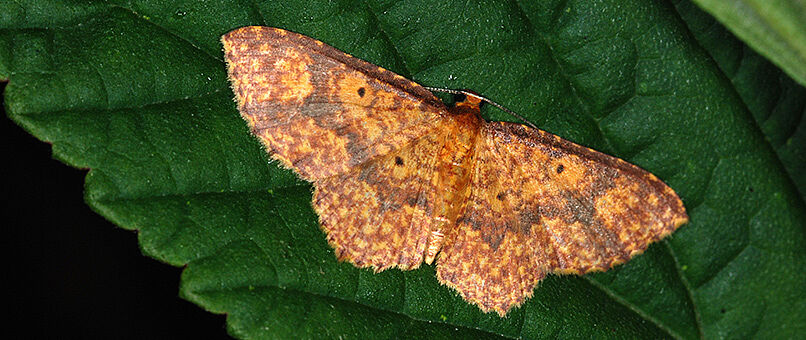
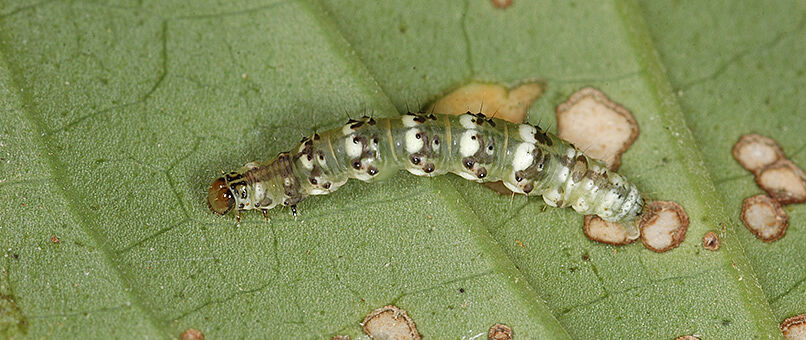
Focal organisms range from insects (butterflies, moths, ants, beetles, dragonflies, etc.) to vertebrates (especially birds).

Recent publications

Seifert CL, Strutzenberger P, Fiedler K. Are day-flying moths more specialized in larval dietary breadth? A test of the “Salient Aroma Hypothesis” in a predominantly nocturnal clade. Evolution. 2024 Jun;78(6):1174–1182. Epub 2024 Mar 27. doi: 10.1093/evolut/qpae052

Paces B, Wanek W, Voigt C, Schirmer S, Leidinger P, Schulze C. Trophic position determines the persistence of neotropical understory birds after forest disturbance. Ecology and Evolution. 2024 May 6;14(5):e11370. doi: 10.1002/ece3.11370

Wessely J, Essl F, Fiedler K, Gattringer A, Hülber B, Ignateva O et al. A climate-induced tree species bottleneck for forest management in Europe. Nature Ecology and Evolution. 2024 Apr 29;8(6):1109-1117. doi: 10.1038/s41559-024-02406-8

Ónodi G, Botta-Dukat Z, Winkler D, Schulze C. The importance of tree species identity and trait‑based winter foraging ecology of bark‑foraging bird species in a large Central European floodplain forest. Biodiversity and Conservation. 2024 Apr 27;33:2153-2173. doi: 10.1007/s10531-024-02852-7

Strutzenberger P, Gottsberger B, Bodner F, Bartusel F, Jerga D, Fiedler K. DNA metabarcoding of light trap samples vs. morphological species identification. Ecological Entomology. 2024 Apr;49(2):245-256. Epub 2023 Nov 11. doi: 10.1111/een.13297

Seifert CL, Fiedler K. Macroecological patterns in European butterflies unveil strong interrelations between larval diet breadth, latitudinal range size and voltinism. Ecography: pattern and diversity in ecology. 2024 Feb;2024(2):e07021. doi: 10.1111/ecog.07021

Puff F, Hilpold A, Schulze C, Guariento E. Trithemis annulata (Insecta, Libellulidae) reaches the northernmost Italian region Trentino-Alto Adige/Südtirol. Gredleriana. 2023 Dec 23;23:107-114. Epub 2023 Dec 23.

Showing entries 9 - 16 out of 290